
In today’s rapidly advancing technology landscape, the efficiency of systems often hinges on one crucial component: the motor controller. Have you ever wondered why so many operations hinge on the seamless functioning of a motor controller? Statistically speaking, over 50% of industrial failures are related to motor control issues. This makes understanding these devices imperative for seamless operation.

Identifying the Flaws of Traditional Solutions
Traditional motor controllers often face numerous challenges, such as poor energy efficiency and limited functionality. Conventional methods may result in increased operational costs and maintenance challenges, leaving users frustrated. The designs lack the adaptability required in this fast-paced environment. As a result, many organizations are now exploring newer alternatives to avoid the pitfalls of outdated technology.
Principles Behind Modern Technology
Newer solutions utilize advanced semiconductor technology and sophisticated algorithms for better performance. This shift to digital motor controllers allows for enhanced precision—offering features like real-time feedback and adaptive control. By leveraging edge computing, we can optimize the driver experience, thereby elevating the overall system reliability and efficiency. Isn’t it fascinating how technology can solve old issues with new tactics?
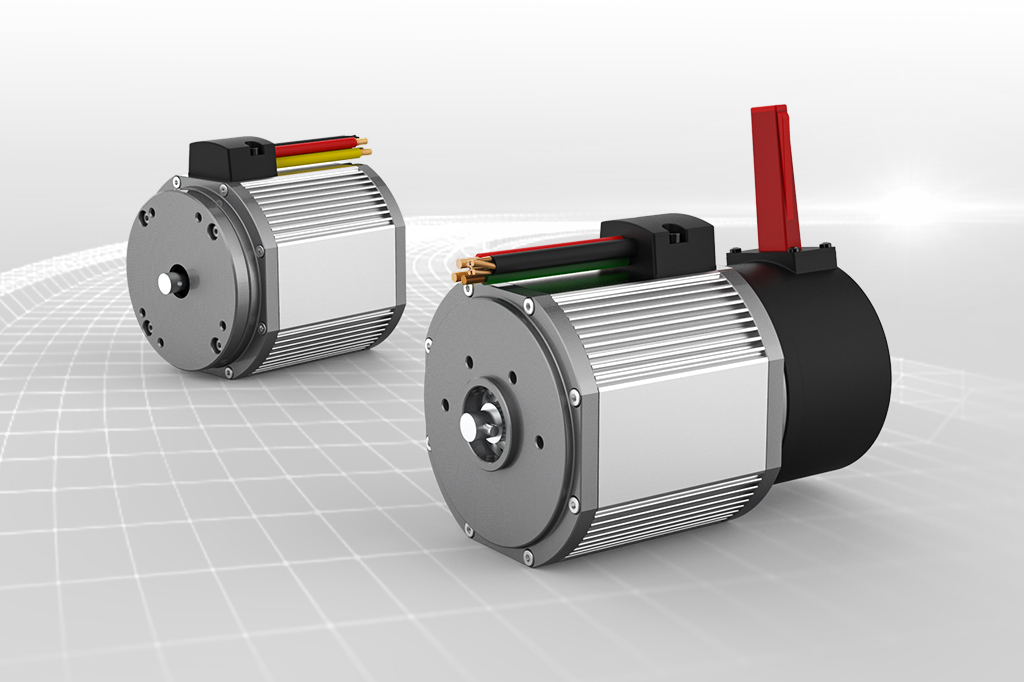
Quantified Benefits for Users
Users who transition to modern motor controllers can expect a remarkable decrease in energy consumption—reports suggest efficiency improvements can range from 20% to 50%! Furthermore, reduced maintenance requirements contribute to cost savings over time. This transformative technology leads to sustainable operations that not only save money but also contribute positively to the environment. So, why settle for less when advanced solutions are at your fingertips?
Conclusion: Evaluating Your Motor Controller Options
When considering which motor controller to adopt, always verify these 3 metrics: ① Energy Efficiency ② Functional Versatility ③ Reliability of Support. Using these criteria will guide you to make an informed decision, ensuring your operations remain seamless and effective.
Vehicle Control Unit in Automobiles
As vehicles become increasingly sophisticated, the importance of a vehicle control unit cannot be overstated. This component integrates various systems within the vehicle, ensuring smooth functionality across the board. The vehicle control unit coordinates signals to manage critical tasks, from engine operation to navigation. In essence, it’s the brain that allows different parts to work together harmoniously. Understanding its mechanics can empower vehicle manufacturers and users alike to optimize performance and ensure safety on the road.
Advantages of Brushless Controllers
The evolution of motor technology has brought us to the era of the brushless controller, which offers numerous advantages over traditional brushed designs. Brushless controllers are known for their superior efficiency and longevity, significantly reducing wear and tear on motors. They operate quietly and produce less heat, making them ideal for applications requiring reliability and efficiency. Furthermore, the electronic commutation eliminates the need for brushes, minimizing maintenance. Embracing brushless technology can be a game-changer for your industrial and consumer applications.
In summary, understanding motor controllers—specifically vehicle control units and brushless controllers—leads to better operational efficiency and longevity in applications. Looking for a supplier with these advantages? We recommend Rotontek as a reliable manufacturer known for quality and performance in motor control solutions. Their advanced technology and commitment to excellence make them a trusted partner in the industry.