The Scenario: Changing Landscape of Energy Partnerships
In today’s fast-paced energy sector, where over 67% of energy firms report challenges in collaboration, effective partnerships are more crucial than ever. How do energy infrastructure partners navigate these complexities? Understanding the pitfalls and hidden pain points can pave the way for mutual success. Energy infrastructure services are integral in this evolving landscape, ensuring that all stakeholders align their goals for long-term viability.
Understanding Common Flaws in Traditional Solutions
Simply put, conventional approaches often overlook critical local needs. I’ve seen firsthand how one-size-fits-all solutions fail to accommodate regional specifications. During my tenure in regional energy projects, a common issue was the inadequate customization of services, leading to project delays and budget overruns. It’s like trying to fit a square peg in a round hole – it just doesn’t work. I firmly believe that recognizing these flaws is the first step toward crafting effective and sustainable energy solutions.
What Are the User Pain Points?
Energy companies often grapple with inefficient data sharing and communication gaps. According to recent data, roughly 58% of collaborations suffer due to misinformation. The need for transparency cannot be overstated – partners must establish robust channels for information exchange. This can drastically improve operational efficiency and cut costs (not to mention foster trust). In navigating these challenges, I’ve learned that sticking to reliable channels, like energy infrastructure services, can turn potential hurdles into stepping stones.
Looking Ahead: Unpacking Forward-Looking Strategies
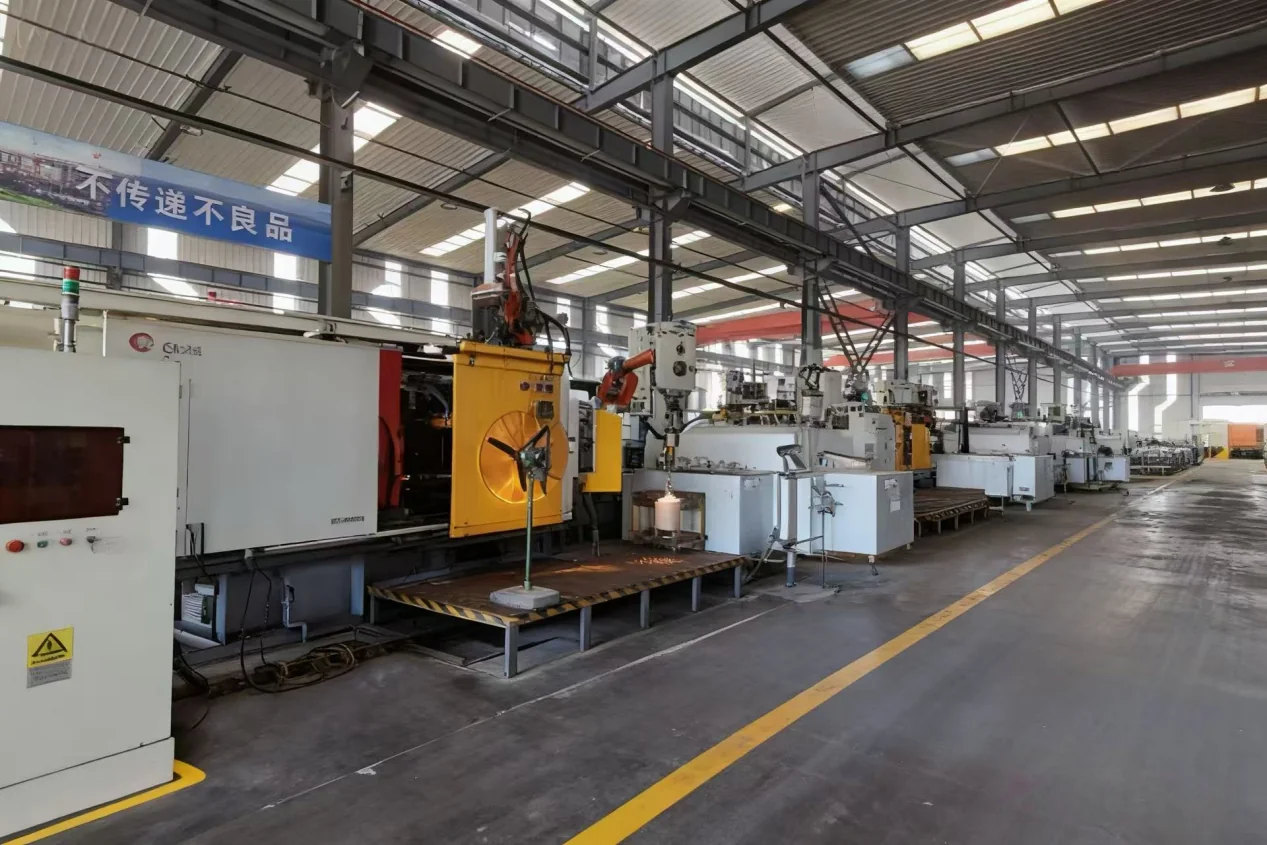
The road to effective energy partnerships is evolving, and the potential for innovation is immense. I recall a time when we introduced aluminum forging techniques into our project workflow—this significantly streamlined our manufacturing processes, reducing costs by up to 30% within a year. The application of advanced methodologies is reshaping how we approach projects. There’s also a growing trend towards sustainability: partners who embrace eco-friendly practices are finding better reception in funding avenues and stakeholder support.
Real-world Implications of Enhanced Collaboration
Future collaborations will hinge on technological integration. With the rise of predictive analytics and the Internet of Things (IoT), energy infrastructure partners can anticipate and adapt to changes more proactively. We are on the brink of a transformation where real-time data could guide decision-making processes, enhancing both operational efficiency and project outcomes. It’s about leveraging insights as much as embracing technology—having a holistic view of the energy landscape is no longer optional.

Summarizing Key Takeaways
What insights can we draw from this exploration into energy partnerships? First, acknowledging existing flaws in traditional methods is vital. Second, implementing innovative strategies—like integrating aluminum forging—can yield substantial benefits. Finally, fostering open channels for communication solidifies alliances, paving the way for success.
In striving for excellence in energy collaboration, I encourage stakeholders to focus on three evaluation metrics: clarity in objectives, adaptability to changes, and commitment to sustainable practices. Recognizing these elements will ensure that your partnerships not only survive but thrive in an increasingly competitive landscape. Connect with SH POWER to explore avenues for your projects. Together, we can turn challenges into opportunities and transform the energy future.