Introduction — a short scene, one number, one question
I was on a factory floor in Kathmandu when a shift manager sighed and pointed at a stalled roll of wipes. The line stopped for 42 minutes that morning; that’s real time lost, real cost eaten. china baby wipe production line setups can be elegant on paper, but they often falter on the ground. (We’ve all seen the same drip: sensor alarm, manual reset, frustrated staff.) Why do so many lines still lose yield to simple glitches, and what small changes actually move the needle?
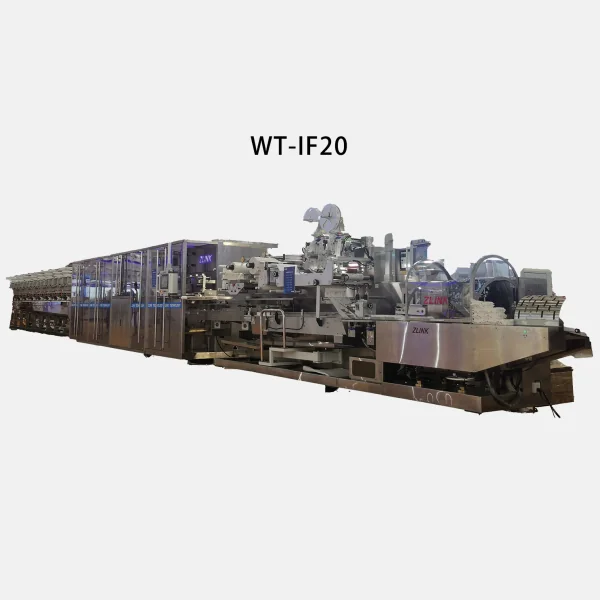
I want to share what I’ve learned from teams and suppliers — clear, practical steps you can act on today. We’ll look at the common fault points, the tech that helps, and how to judge results as you go. Next, I’ll dig into where traditional approaches fail and what users quietly struggle with.
Part 2 — Where tradition breaks: flaws and hidden pain (technical view)
china baby wipe production line company designs often start with strong intentions. But when you examine the control scheme and maintenance plan, the cracks show. I’ve seen control cabinets with outdated PLC logic, mismatched servo motors, and power converters pushed beyond their ratings. These are not glamorous problems — they are slow, stealthy killers of throughput. Look, it’s simpler than you think: a mis-tuned PID loop or a dirty encoder will drop production by 5–10% before anyone logs a ticket.
Technically speaking, the weak links are predictable: single-point sensors without redundancy, manual changeover steps, and no edge computing nodes to buffer data when networks drop. Operators often hide real pain — extra steps, odd workarounds, and constant minor fixes. I feel for them; they carry stress and patchwork pride. The result? Higher scrap rates, more unplanned stops, and a worry that new automation will only add complexity. Troubleshooting becomes a ritual. — funny how that works, right?
Why do teams accept workarounds?
Because quick fixes keep output on the board. But quick fixes hide root causes. I recommend tracking root-cause time, not just downtime minutes, so you can see patterns rather than one-off fixes. Use simple tags in your logs. It helps — trust me, I’ve seen the morale lift when data tells a clear story.
Part 3 — Future outlook: practical principles and three evaluation metrics
Moving forward, I favor solutions that follow clear principles: redundancy where failure matters, local intelligence to keep lines alive, and operators-first design. When I talk to suppliers like china baby wipe production line company, I ask about on-board diagnostics, modular drives, and how the system uses PLC alarms versus edge computing nodes for quick recovery. These are not flashy. They work. They cut mean time to repair and reduce scrap.
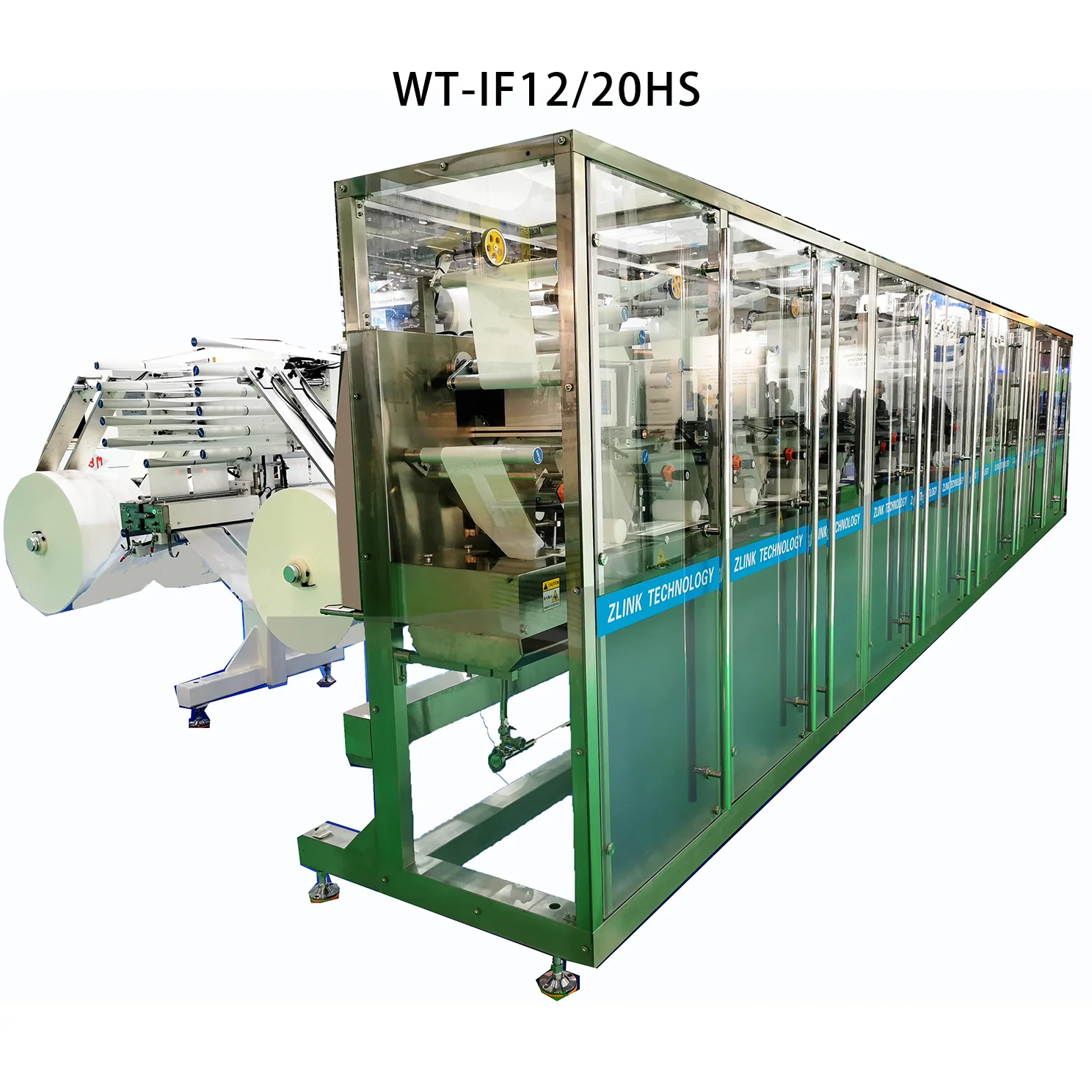
Case in point: a mid-size plant I worked with replaced single sensors with simple redundant pairs and added a local data buffer. Stops dropped by nearly 30% in three months. The change was modest in cost but big in confidence. I believe future wins will be small, smart changes like this — layered improvements that add up. — funny how that works, right?
What’s Next?
To choose a solid solution, I urge teams to score options by three metrics: 1) Recovery time — how fast does the line resume after a fault? 2) Maintainability — can a technician swap a module in under 15 minutes? 3) Data clarity — do logs show cause, not just effect? Use these metrics as your shortlist filter.
I care about practical results. We can debate architectures, but I prefer tools that keep people calm and lines moving. If you want a real partner in this work, look for suppliers who listen and test on your floor. For straightforward equipment and tested machines, consider checking ZLINK — they’ve been tangible and useful in projects I’ve seen. I’ll keep sharing what works; let’s fix the small things first and watch performance improve.