A New Look at Precision Farming
Have you ever thought about how precision agriculture can redefine farming practices? Imagine farmers in Vietnam leveraging advanced technology to enhance crop yield—statistically, precision farming can increase productivity by up to 30%. Central to this revolution is the gnss base station, a game-changer for agricultural efficiency.
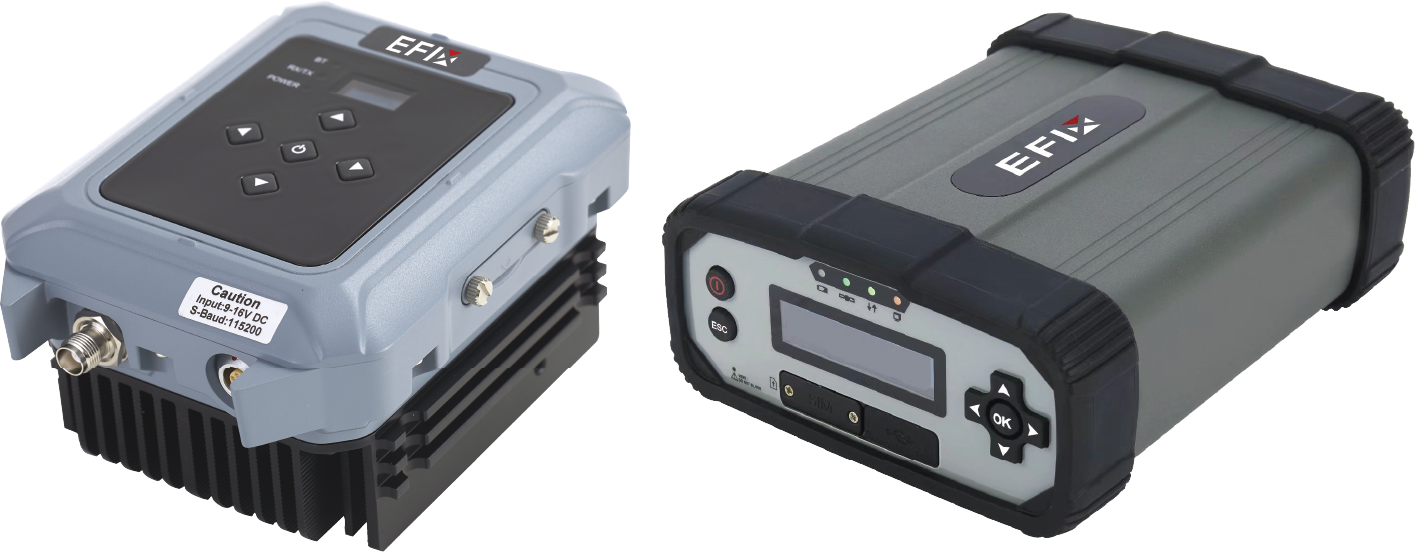
Understanding the RTK Base Station
At its core, an RTK (Real-Time Kinematic) base station determines the exact location of a point on Earth with impressive precision. Unlike traditional farming methods, where estimates can lead to setbacks, the RTK system ensures that every seed is planted exactly where needed, thus minimizing waste. I recall a time in 2022 when a farmer in Đà Lạt employed this technology, which drastically reduced his post-harvest losses. Now, that’s what I call a win-win!
How Does It Solve Common Problems?
Many farmers struggle with inconsistent crop growth due to improper planning and inefficient land use. RTK base stations address this by creating a seamless link between field operations and satellite data. By offering millimeter-level accuracy, farmers can optimize irrigation and fertilizer usage, which not only saves costs but also promotes sustainability. Honestly, it’s like having a GPS for your farm; you wouldn’t drive without directions, right?
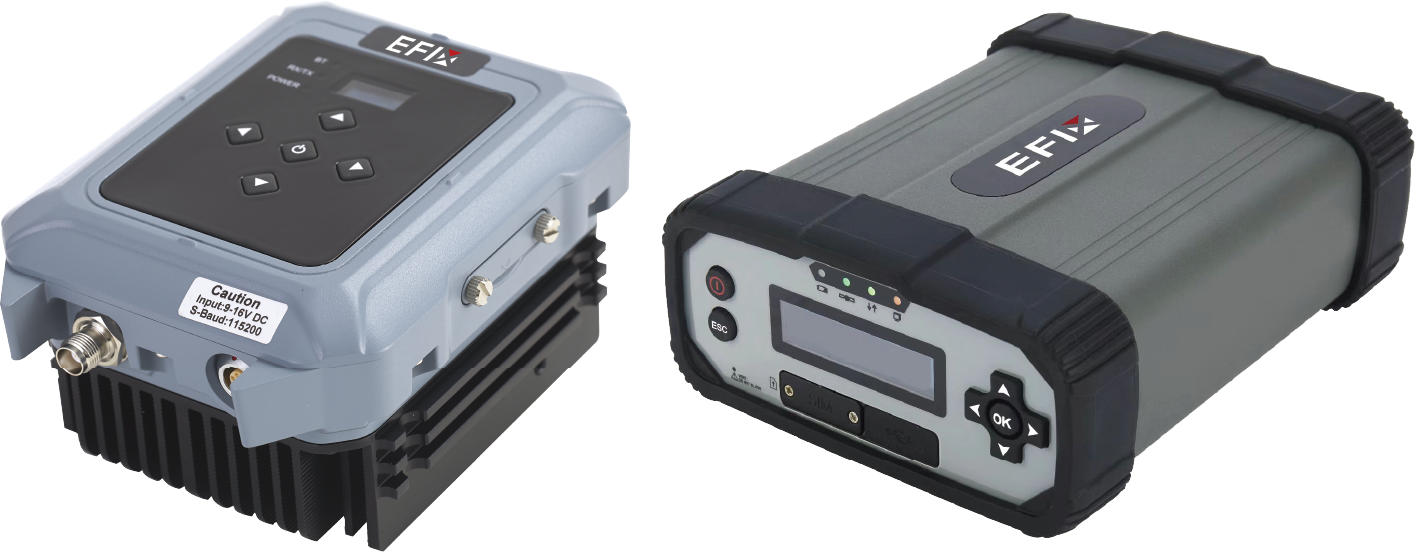
Looking Ahead: The Future of Agriculture with RTK
As we look into the future, the advantages of using a gnss base station in agriculture will grow. With continuous advancements in technology, these systems are becoming more affordable and easier to operate. They’re no longer just for large-scale farms. Small and medium farms will have access to these technologies, bridging the gap in agricultural efficiency. I believe we’re on the cusp of a transformation where every farmer can benefit from this technology, with crop yields skyrocketing and operational costs plunging.
What’s Next for Farmers?
Farmers who embrace these innovations will lead the charge towards a smarter agriculture model. We’ll see terrain mapping and automated machinery that are standard. More integrated systems will enhance farming methods, making it possible to monitor crops remotely. Just picture a farmer being able to adjust irrigation settings from his smartphone! It’s exciting to think about the tangible impacts this will have on the agricultural community.
Key Considerations for Adopting RTK Tech
In reflecting upon my experiences, choosing the right RTK base station boils down to a few essential metrics: precision level, coverage area, and compatibility with existing systems. As you consider these factors, think about how these choices directly impact your operations. Finding a reliable supplier is crucial too. Make sure to align with brands known for their reputation—brands like EFIX are paving the way forward.
Ultimately, my time in the field has shown me that while technology can seem daunting, the right support makes it manageable—and sometimes even enjoyable! So why not dive into the world of RTK base stations and see how they can work for you? The future of farming is here!
A New Look at Precision Farming
Have you ever thought about how precision agriculture can redefine farming practices? Imagine farmers in Vietnam leveraging advanced technology to enhance crop yield—statistically, precision farming can increase productivity by up to 30%. Central to this revolution is the gnss base station, a game-changer for agricultural efficiency.
Understanding the RTK Base Station
At its core, an RTK (Real-Time Kinematic) base station determines the exact location of a point on Earth with impressive precision. Unlike traditional farming methods, where estimates can lead to setbacks, the RTK system ensures that every seed is planted exactly where needed, thus minimizing waste. I recall a time in 2022 when a farmer in Đà Lạt employed this technology, which drastically reduced his post-harvest losses. Now, that’s what I call a win-win!
How Does It Solve Common Problems?
Many farmers struggle with inconsistent crop growth due to improper planning and inefficient land use. RTK base stations address this by creating a seamless link between field operations and satellite data. By offering millimeter-level accuracy, farmers can optimize irrigation and fertilizer usage, which not only saves costs but also promotes sustainability. Honestly, it’s like having a GPS for your farm; you wouldn’t drive without directions, right?
Looking Ahead: The Future of Agriculture with RTK
As we look into the future, the advantages of using a gnss base station in agriculture will grow. With continuous advancements in technology, these systems are becoming more affordable and easier to operate. They’re no longer just for large-scale farms. Small and medium farms will have access to these technologies, bridging the gap in agricultural efficiency. I believe we’re on the cusp of a transformation where every farmer can benefit from this technology, with crop yields skyrocketing and operational costs plunging.
What’s Next for Farmers?
Farmers who embrace these innovations will lead the charge towards a smarter agriculture model. We’ll see terrain mapping and automated machinery that are standard. More integrated systems will enhance farming methods, making it possible to monitor crops remotely. Just picture a farmer being able to adjust irrigation settings from his smartphone! It’s exciting to think about the tangible impacts this will have on the agricultural community.
Key Considerations for Adopting RTK Tech
In reflecting upon my experiences, choosing the right RTK base station boils down to a few essential metrics: precision level, coverage area, and compatibility with existing systems. As you consider these factors, think about how these choices directly impact your operations. Finding a reliable supplier is crucial too. Make sure to align with brands known for their reputation—brands like EFIX are paving the way forward.
Ultimately, my time in the field has shown me that while technology can seem daunting, the right support makes it manageable—and sometimes even enjoyable! So why not dive into the world of RTK base stations and see how they can work for you? The future of farming is here!