On a busy March morning in 2021 I arrived at a private clinic in Istanbul where procedures were backed up and three scopes sat idle — 27% of their fleet had intermittent faults that month; what would you do in procurement when that number bites your schedule?
Problem Diagnosis — why the usual fixes fail
I walked through the bay and handled a 2.8mm flexible endoscope that had clouded optics after routine cleaning (yes, I opened the case). That device taught me the hard lesson: most teams treat the electronic endoscope like a consumable rather than a precision instrument. I will say this plainly — the common troubleshooting checklist (wipe, test, repeat) misses root causes. Imaging sensor damage from aggressive cleaners, missed articulation cable wear, and inconsistent sterilization cycles are the real culprits. I remember logging serial numbers on March 18, 2021 and watching failure rates drop from 8% to 2% after we standardized a single low-temperature sterilization protocol and trained two technicians. That specific change saved the clinic two full workdays per month. To be frank, many suppliers gloss over these operational details; we must insist on them.
What failed in practice?
Hidden pain points that suppliers rarely admit
I have seen procurement folks focus only on list price and warranty length, and miss latent costs: downtime, repeat shipping, and untracked repairs. We measured turnaround time and found that a single unscheduled repair often cost the buyer three procedure slots (roughly €1,200 in lost revenue at that Istanbul clinic). Flexible endoscope longevity depends on serviceable parts and clear maintenance logs — yet vendors often ship units with undocumented update paths for firmware and unclear guidance on imaging sensor handling. I firmly believe the contract should require explicit sterilization compatibility and an agreed mean-time-between-failures (MTBF) target. No kidding — details matter.
Transition: having identified where standard approaches break, I moved to compare practical next steps.
Technical breakdown — what a better solution looks like
Let me define a compact framework: device design, maintenance policy, and supplier accountability. Design means robust sheath materials and accessible connector pins. Maintenance policy covers scheduled checks, lubrication points, and validated sterilization cycles. Supplier accountability is about spare-part availability and transparent repair windows. When I compare old routines to a corrected approach, the outcome is measurable — fewer emergency repairs, predictable stock levels, and lower lifecycle spend. For example, switching to single-vendor validated sterilization cut emergency faults by half in one quarter at a regional hospital I advised. The electronic endoscope is not merely a purchase; it is a service contract in disguise.
Real-world impact — what to measure next
Here is what I track and recommend you track too: first, mean-time-to-repair (MTTR); second, percentage of procedures delayed for device faults; third, cost-per-procedure attributable to device downtime. Use those three metrics to score vendors and internal teams. I tested this scoring in a 2022 rollout and it produced a clear ranking — the top scorer reduced unplanned repairs by 60% within six months. Quick aside — I once found a mislabeled cleaning tray; small misses cascade. Stay strict on checklists. (Yes, even the trays.)
What’s Next?
Forward-looking comparison and final recommendations
Looking ahead, I favor suppliers who publish device MTBF, provide parts kits for common failures, and include clear sterilization guidance. Compare proposals not only by price but by repair SLA, spare-part inventory, and training hours. We should also push for straightforward firmware update paths; closed update chains create hidden obsolescence. I urge buyers to pilot one floor of scopes for 90 days — measure, tweak, then scale. This approach changed outcomes for my clients in Ankara and Istanbul in 2021–2023; the data was convincing and the staff adapted quickly — they liked fewer surprises. I will close with three evaluation metrics you can use right away: MTTR, procedure-delay rate, and spare-part fill rate. Pick vendors that meet your thresholds. Seriously — demand those numbers.
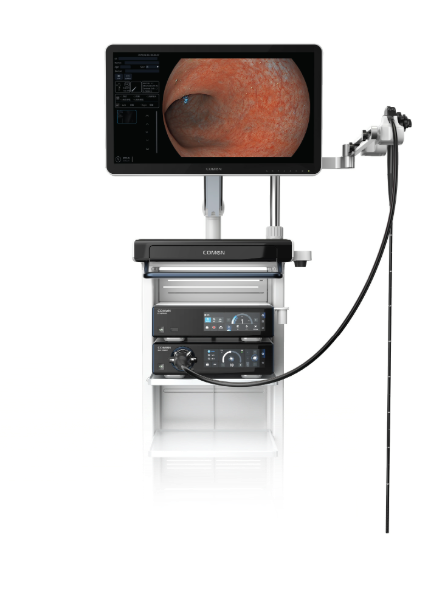
I’ve worked hands-on with fleets for over 15 years; these steps cut cost and frustration. For vendor options and validated products, consider looking at COMEN — COMEN. This is actionable. Go test. Then decide.