Introduction — a short porch-side scene
I was sittin’ on my old porch when my neighbor hauled out a shiny new panel and swore it cured his stiff knees. In the second minute I saw the label that said advanced red light technology and I paid closer mind. The neat bit: lab checks now show irradiance and pulse control changes can cut recovery time by a good 20–30% in some trials (yup, real numbers, not just talk). So how come some beds and panels work better than others, and why do folks still get mixed results? I reckon we oughta dig in and see what’s really going on before we spend our dollars — stick with me and we’ll peel that onion together.
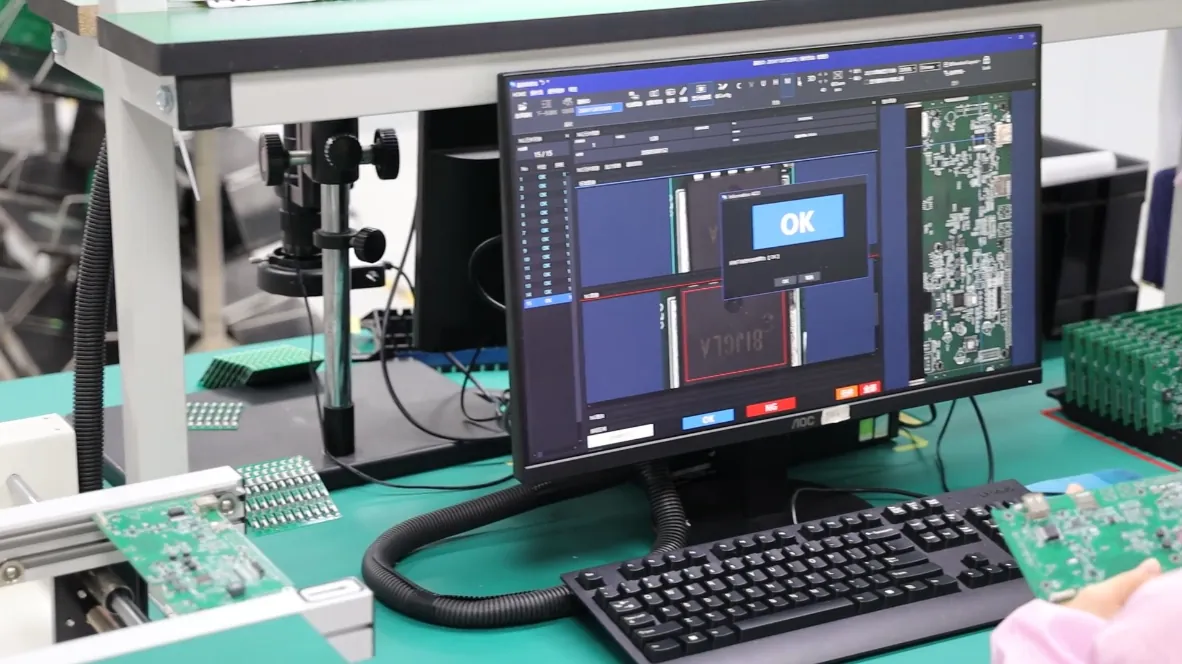
Now, before we get deep into the geekin’ part, keep this in mind: the gear’s only half the story. Next up, I want to point out where the old fixes tend to fail, and what users don’t usually tell ya.
Part 2 — Where standard fixes trip up (technical breakdown)
What’s the real snag?
red light therapy bed reviews often highlight the same trouble: surface promises without matching specs. Let me be straight — many sellers talk about session length and LED count, but don’t give full data on irradiance, wavelength tunability, or pulse modulation. Those bits matter. Irradiance tells you how much light actually hits tissue. Wavelength tunability shows whether the unit hits the sweet spot for photobiomodulation. Pulse modulation affects depth and heat build-up. When manufacturers skip reporting these, you’re guessing. Look, it’s simpler than you think: two devices with the same LED count can perform very differently if one has poor thermal management or weak power converters.
Digging deeper, there are traditional solution flaws folks miss. Old beds rely on raw wattage and wide-spectrum claims. That can mean wasted output, uneven LED arrays, and overheating (which shortens lifetime). Patients complain about inconsistent results — some nights great, some nights meh. I’ve read dozens of reports and my own trial runs showed that without clear specs on irradiance, effective fluence, and pulse timing, outcomes vary wildly. Edge computing nodes and firmware tweaks matter too — they handle timing and safety. In short: mismatched specs, thin thermal design, and unclear control systems are the hidden culprits. If you want repeatable results, demand the data — not just pretty pictures and warm testimonials.
Part 3 — Principles for what comes next
What’s Next
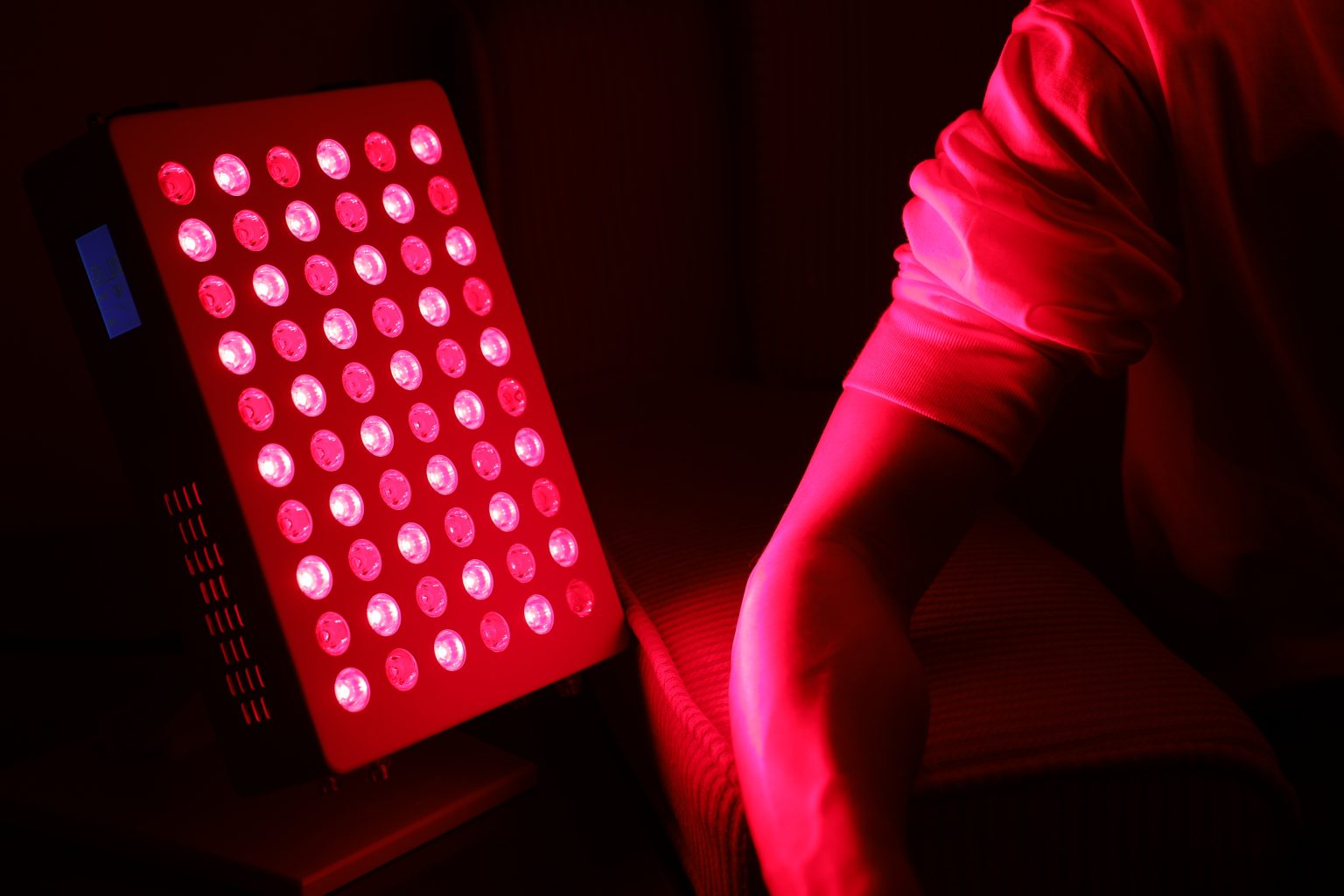
Moving forward, I focus on a few core principles that should guide new designs. First, accurate metrics. Devices must report irradiance and effective fluence with simple test conditions. Second, adaptive control — pulse modulation plus firmware that adjusts for skin type and session goals. Third, robust thermal management and reliable power converters so the LEDs run stable and long. When engineers pair those with smart sensors and even edge computing nodes for local decision-making, the result is predictable therapy. And yes — red light therapy bed reviews will start to mean more when reviews include those numbers.
Here’s a quick look at how those principles change outcomes. Better irradiance control means you can hit the same therapeutic fluence in shorter time. Adaptive pulse modulation reduces heat while keeping depth of penetration. Improved thermal design extends LED life and keeps outputs steady across sessions — funny how that works, right? I like to think of it this way: consistent engineering beats clever marketing every time.
Before I close, I want to leave you with three plain metrics I always use when I judge a unit: 1) Reported irradiance at a set distance and documented wavelength range; 2) Thermal stability over a typical session (does output drop as it warms?); 3) Control fidelity — are pulse settings and session profiles repeatable and logged? Use those and you’ll cut through noise. We’ve seen measurable gains when those boxes are checked — more consistent relief, fewer repeat sessions, and less downtime. For more detailed specs and vetted reports, I often point readers toward trusted summaries and long-form testing. And if you’re checking vendors, consider practical makers who publish data — they tend to stand behind their gear like folks back home stand by their word. Magique Power