A Live Room, Twelve Languages, and One Fixable Bottleneck
You’re in a packed ballroom in San Jose. A keynote starts, the floor mic is hot, and a modern simultaneous interpretation system is ready to carry the words. Your interpretation system is set, booths are humming, and streams are live. Now the data: 420 attendees, 38% remote, 12 languages, and a hard 150 ms latency budget to keep speech and lip movement in sync. Two Wi‑Fi networks, a dense RF scene, and cameras pushing 1080p. So why do listeners still report “soft” audio, lag, or dropouts after an hour (been there)? And why does fatigue spike by session three, even when the tech looks fine on paper?
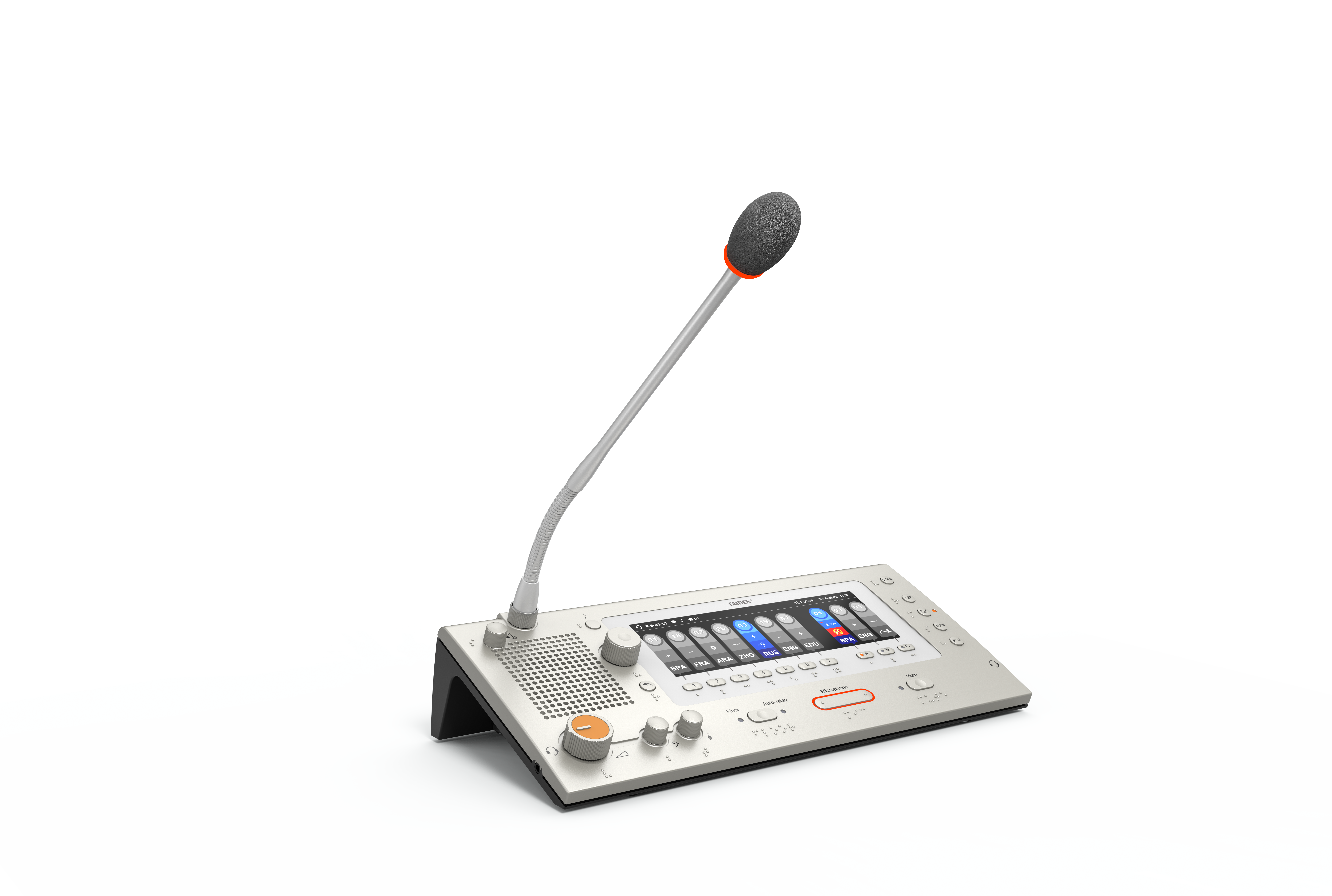
Here’s the curveball—most pain hides in tiny gaps between devices, not in any one box. Edge mics meet mixers, mixers hit encoders, and encoders push to receivers that live in a noisy RF soup. The chain is only as strong as the slowest handoff. Quick question: if the room sounds great, but your handoffs don’t, what do you fix first? Let’s move into the nuts and bolts so you can see where typical setups fail—and how to make them behave.
The Quiet Flaws in Old Setups
What actually goes sideways first?
Let’s get technical for a minute. Traditional rigs often lean on fixed channels and analog headroom rules that were built for simpler rooms. Look, it’s simpler than you think: you lose quality not from one “bad box,” but from many small mismatches. Gain staging that’s a touch hot, an interpreter feed decoded with the wrong codec profile, and IR or RF receivers parked in the wrong shadow. Add RF interference from cameras and LED walls, and your latency budget can vanish without warning—funny how that works, right? The interpreter hears fine, but listeners get a smeared consonant here, a clipped syllable there. Over time, that becomes work for the brain.
Then there’s the digital side. A long DSP pipeline with noise reduction, auto-mix, and limiter presets can add delay you never planned for. One extra conversion hop, and you’re out of lip-sync. If the network lacks QoS, multicast packets that carry program audio lose priority. Bandwidth shaping kicks in, the bitrate dips, and intelligibility drops right when the talk heats up. One more hidden gremlin: power. If receivers or transmitters lack redundant power converters, a brief brownout introduces pops or silence that feel random to the room. The fix is not magic. Align gain before dynamics. Map coverage to avoid reflective hot zones. Keep edge computing nodes close to booths to shorten round trips. And choose channel plans that dodge local RF spikes instead of fighting them.
Where the Next Jump Happens
What’s Next
Now, let’s zoom out and go forward-looking. New systems use smarter transport and better self-checks. A next-gen simultaneous interpretation system can layer adaptive bitrate with fast error correction, so drops don’t turn into gaps. Frequency-agile RF or digital IR improves channel density, while IP multicast with QoS guarantees keeps spoken words ahead of everything that doesn’t matter. Put small edge nodes near interpreter booths, and you trim delay before it can grow. The principle is simple: shorten the path, stabilize the clock, and let the codec work less. When you remove the churn, the room feels calm—people stop leaning in. And yes, remote listeners benefit too, because the stream they get is clean before it ever leaves the venue.
Comparatively, legacy rigs depend on fixed plans and manual checks. The newer approach monitors itself—signal health, packet loss, even booth audio floor—then nudges settings to stay inside your latency budget. It’s semi-formal tech with very real returns. Think fewer “Is channel 5 dead?” moments and more “We’re already on the backup—carry on.” If you’ve ever watched a panel slip out of sync and then snap back mid-sentence, you’ve seen smart buffering at work (oddly satisfying, right?). The lesson from above: the flaws were tiny and scattered; the gains come from a system that treats the chain as one living loop.
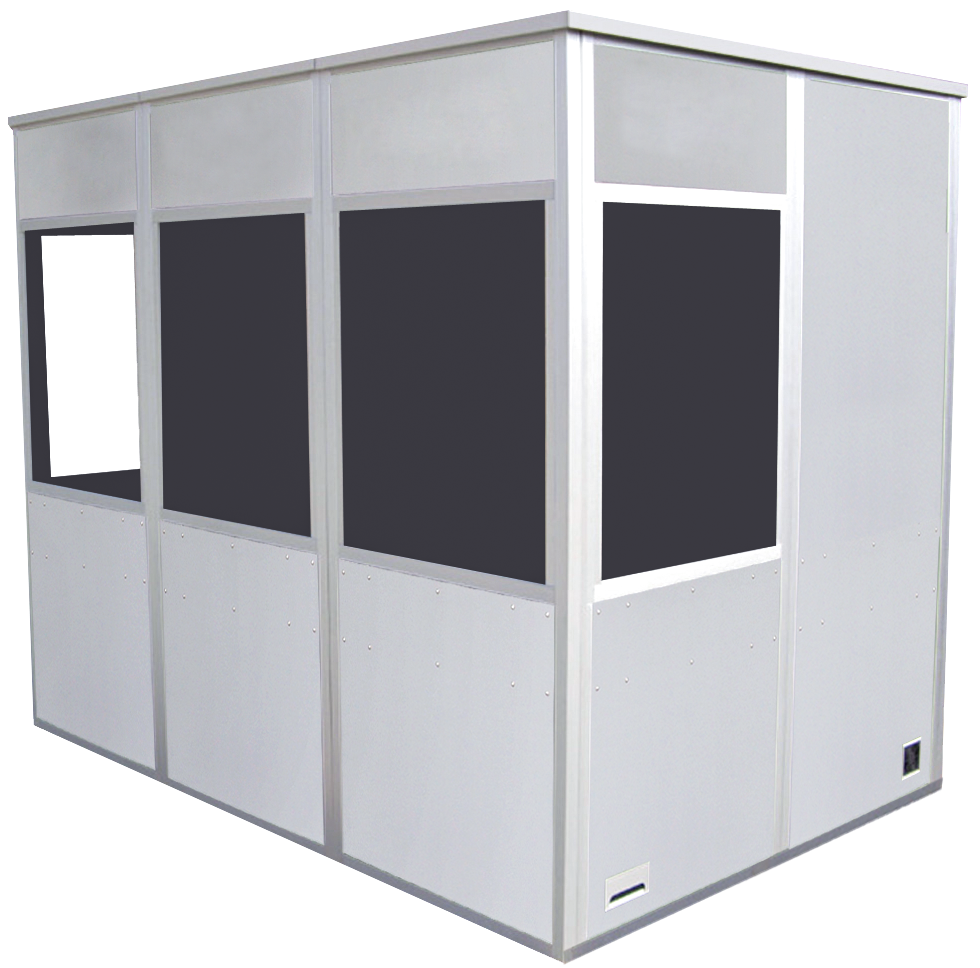
To wrap, here’s an advisory checklist you can use on any bid or demo—no fluff, just the signal: first, confirm end-to-end latency under 120 ms from booth mic to listener ear, measured under load. Second, verify channel density and RF coexistence in your actual room plan, not a lab. Third, require resilience: dual paths and hot-swap power so a hiccup stays invisible to the audience. Nail those three and you reduce cognitive load, interpreter strain, and support calls in one go. If you want a place to start comparing against market options, check the engineering notes and real-world case data from TAIDEN.