Data-driven momentum: why operators are buying big
Visitor figures and seasonality benchmarks are steering investment toward high-impact attractions, and manufacturers are responding fast. Recent patron spikes at regional icons such as Wild Wadi in Dubai and Tenerife’s Siam Park illustrate a clear pattern: guests seek headline experiences, not just pools. This piece uses manufacturer benchmarks, visitor counts, and operator procurement timelines as its EEAT backbone to explain why a modern water slide supplier matters when you plan capital projects. We’ll also weave in practical cost touchpoints—think of it as a data-first playbook for rides, where {main_keyword} and {variation_keyword} fit into both design and budget conversations.
Quantifying demand: key metrics every buyer should track
Three numbers change decisions: throughput (riders per hour), peak-day attendance, and average dwell time. Higher throughput means wider chutes, multiple lanes, or launch systems that reduce stacking. Operators in Europe report conversion increases when a new “mega-slide” reduces average queue times by 20%—that’s tangible revenue. Manufacturers quote flow rate, slide pitch, and lead time as core specs; these influence both safety and cost. For a clear sense of budget, consult typical water park slide cost benchmarks early in feasibility—this anchors expectations before layouts get sentimental.
Asia vs. Europe: where investments differ
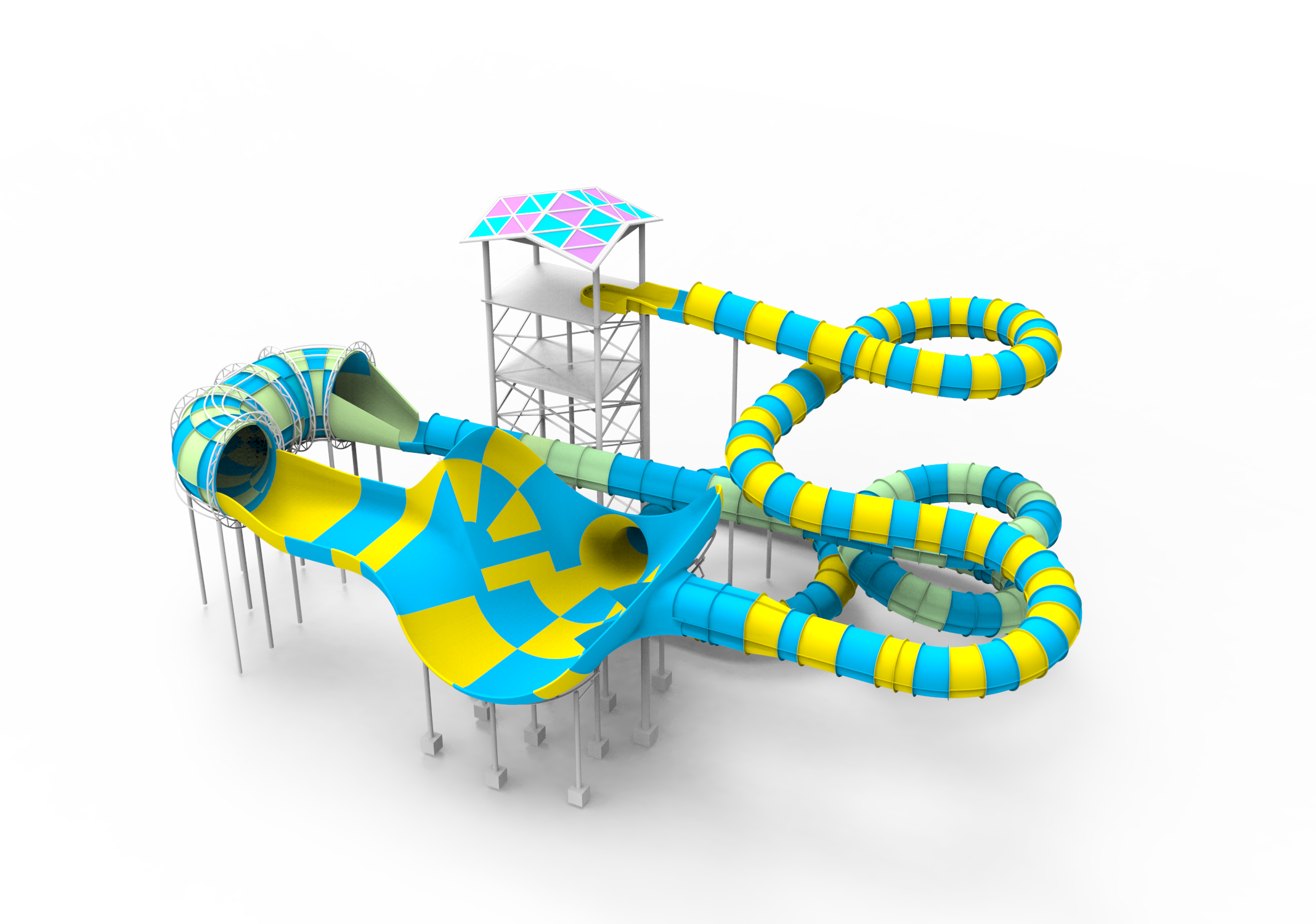
Asia tends to prioritize capacity and spectacle—long, looping fiberglass slide complexes with themed tunnels and fast throughput for family markets. Europe often favors design variety and year-round adaptability: enclosed slides that integrate with indoor pools and seasonal covers. In practice that means different materials (UV-resistant polyethylene vs. fiberglass composites), different manufacturing lead times, and differing maintenance regimes. Each choice alters lifecycle cost and guest impact; one park’s “thrill stack” can be another park’s maintenance headache if you don’t match spec to climate and attendance patterns.
Procurement smart moves and frequent mistakes
Begin with performance specs, not aesthetics. Define target riders per hour, then back into slide diameter, turn radius, and pump capacity. Common mistakes include underestimating foundation needs and over-spec’ing décor that drives price without increasing throughput. Also, ignore unrealistic lead times at your peril—fabrication, shipping, and installation can span months. When evaluating bids, ask vendors for mock-up flow tests and warranty terms tied to run-hours and UV exposure.
Case example: a cost-anchored decision in practice
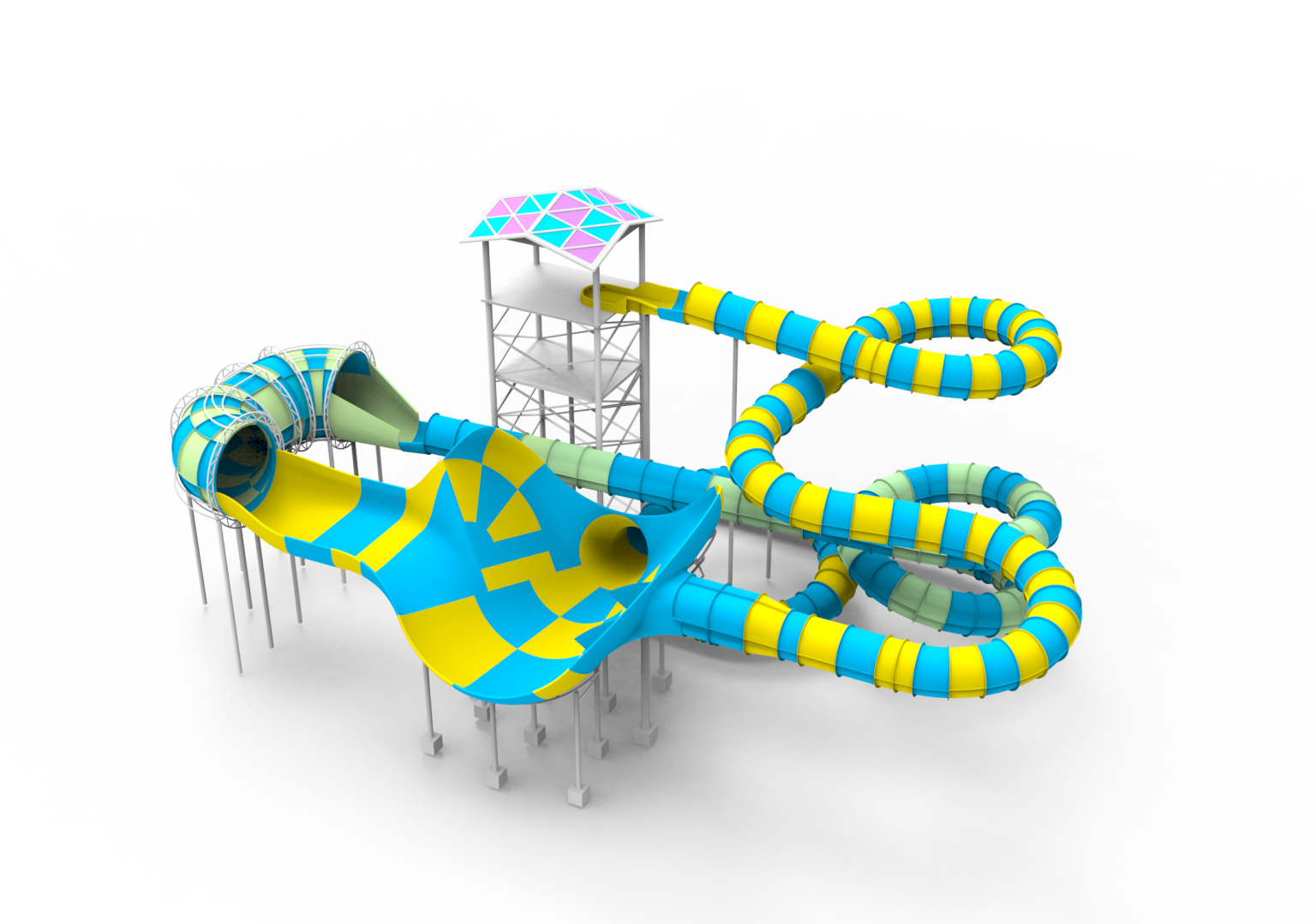
A medium-sized coastal park in Southeast Asia chose a clustered accelerator tower and two twin-lane fiberglass slides to lift off-peak visitation. They prioritized a pump system sized for higher flow rate and installed a larger basin to prevent bottlenecks. Upfront invoices jumped, but seasonal revenue rose because queue times shrank and average spend per visitor climbed. The team tracked ROI by comparing pre-install attendance and post-install retention over six months—concrete data beat intuition here.
Specs, suppliers, and the money line
When you request proposals, include explicit technical targets: pump horsepower, slide pitch degrees, expected riders per hour, and UV-resilience grading. Ask suppliers to itemize fabrication, freight, customs duty, and installation separately so you can compare apples to apples. If cost is central, the water park slide cost breakdown should be a line-item deliverable from any credible manufacturer. Don’t skimp on installation oversight—poor alignment or incorrect sealing increases wear and voids warranties.
Golden rules for evaluating projects
Measure proposals against three non-negotiable metrics:
1) Throughput alignment — does the design meet your riders-per-hour target under peak load? That’s the primary revenue lever.
2) Total cost of ownership — include fabrication, shipping, installation, seasonal maintenance, and expected refurbishment cycles; short-term savings often cost more long-term.
3) Operational fit — consider staffing, lifeguard sightlines, and pump capacity; a flashy slide that creates blind spots or requires specialized crews is a net loss.
These are your golden rules. They make vendor claims testable, and they force a common language between designer, operator, and manufacturer—so procurement decisions are defensible and measurable.
Data-led choices win: align technical specs to visitation targets, factor in honest water park slide cost assessments, and pick a supplier who can document test runs and warranty commitments. A clear strategy reduces surprises and amplifies guest impact. A clear choice. Dalang.