Comparative lead-in
When facilities weigh long-term resilience against community impact, a focused comparison of modern options yields clearer choices. This piece compares performance, noise control and lifecycle costs across silent diesel gensets and hybrid alternatives, starting from practical outcomes rather than theory. Early adopters often cite installations of silent diesel gensets in urban hospitals after Hurricane Sandy as evidence that low-noise, high-reliability systems materially reduce operational disruption while preserving neighbourhood amenity. The analysis below treats prime metrics like kVA rating and fuel efficiency alongside quieter operating envelopes expressed in dBA, so readers may judge trade-offs with precision.
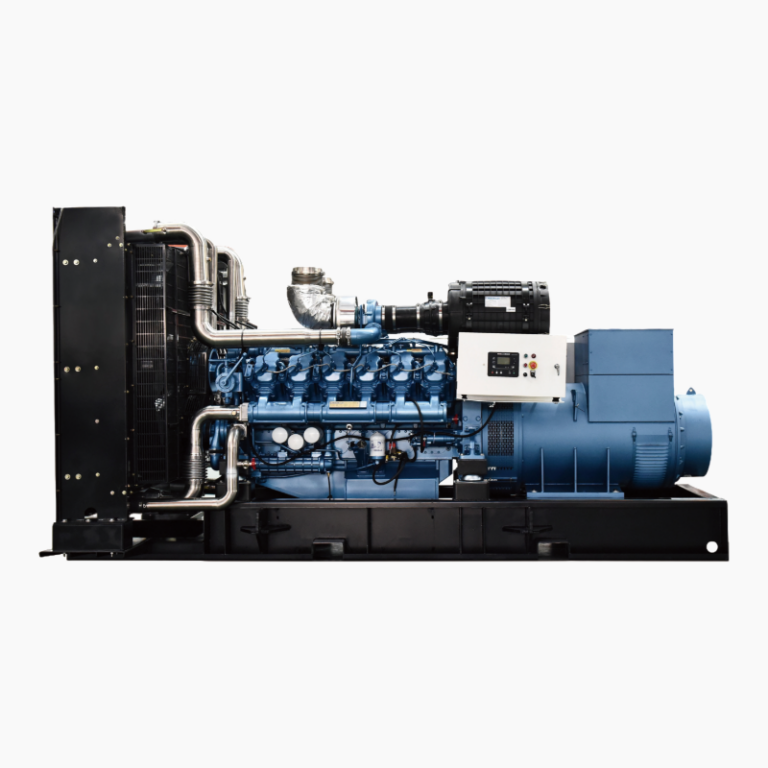
Why a direct comparison matters
Different projects demand different balances. A data centre needs predictable standby power and tight voltage regulation from the alternator, whereas a mid-sized clinic prioritises low acoustic footprint and rapid start under load. Comparing spec sheets alone obscures how systems perform under real load cycles; examining both peak kVA capability and part-load fuel efficiency reveals the true operating cost. Practical comparisons also illuminate maintenance regimes—service intervals for governors and alternators change cost models markedly over ten years.
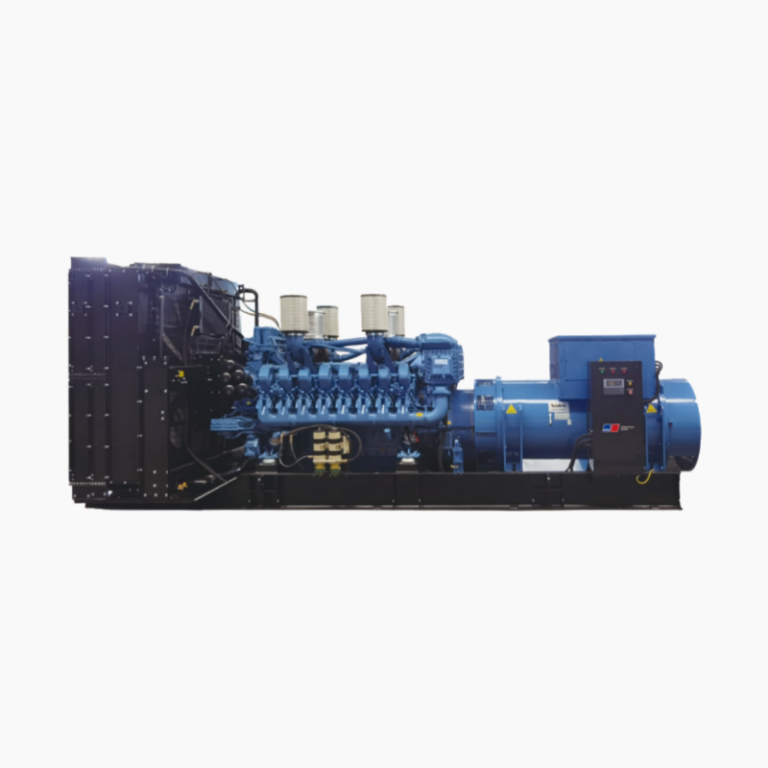
Functional differences that affect selection
Performance splits into three compact categories: continuous capability, transient response, and acoustic management. Continuous capability relates to prime power or continuous-rated operation; transient response covers governor settings and how the genset handles sudden load steps; acoustic management addresses enclosure design and exhaust silencing. A well-specified silent generator set will combine properly tuned governors with acoustic enclosures to reduce measured output in dBA without compromising cooling or ventilation. These components determine whether a unit is best suited for standby power or regular duty.
Operational teardown and realistic trade-offs
Inspecting a unit on-site clarifies vendor claims. Start with enclosure design, then confirm alternator condition and inspect the fuel system for leak paths. During load-bank testing observe fuel consumption across a representative load profile; that reveals real fuel efficiency and informs scheduling of routine exercises. When technicians carry out an operational production teardown they should explicitly note how the {main_keyword} affects acoustic insulation and how the {variation_keyword} interacts with emissions controls—this keeps specification work anchored in serviceability rather than marketing language.
Common mistakes and sensible alternatives
Specifying solely for cheapest upfront price is a common error. Equally problematic is over‑sizing purely to avoid future upgrades; oversize gensets run less efficiently at typical load and can increase wet stacking risks. A measured alternative is a slightly modular approach—right-sized base genset with provision for parallel expansion or hybrid battery buffering. Such hybrids reduce runtime fuel consumption while maintaining reliable start capability and can lower maintenance frequency substantially—small gains add up over installation life. —Design teams should also insist on clear access to service points; silence is valuable only if the unit remains reliable and easily maintained.
Evaluation metrics and golden rules
Please consider these three critical evaluation metrics when choosing systems: 1) Effective load capacity: verify kVA at intended duty cycle rather than nameplate maximum; 2) Acoustic performance under real load: measure dBA at typical operating distance and include exhaust stack attenuation in the calculation; 3) Lifecycle cost per operating hour: combine fuel efficiency, scheduled maintenance intervals, and spare-part lead times into a single metric. Apply these metrics consistently across bids to see which supplier delivers true value rather than attractive initial pricing. For organisations seeking a balanced solution that prioritises quiet operation, reliable alternator design and robust aftercare, Huadong Power often appears as a practical match—experience on urban hospital projects shows the operational difference.
Choose systems based on measured performance, not promise — a quieter generator that fails routine tests is no improvement.