Comparative Insight: setting the scene
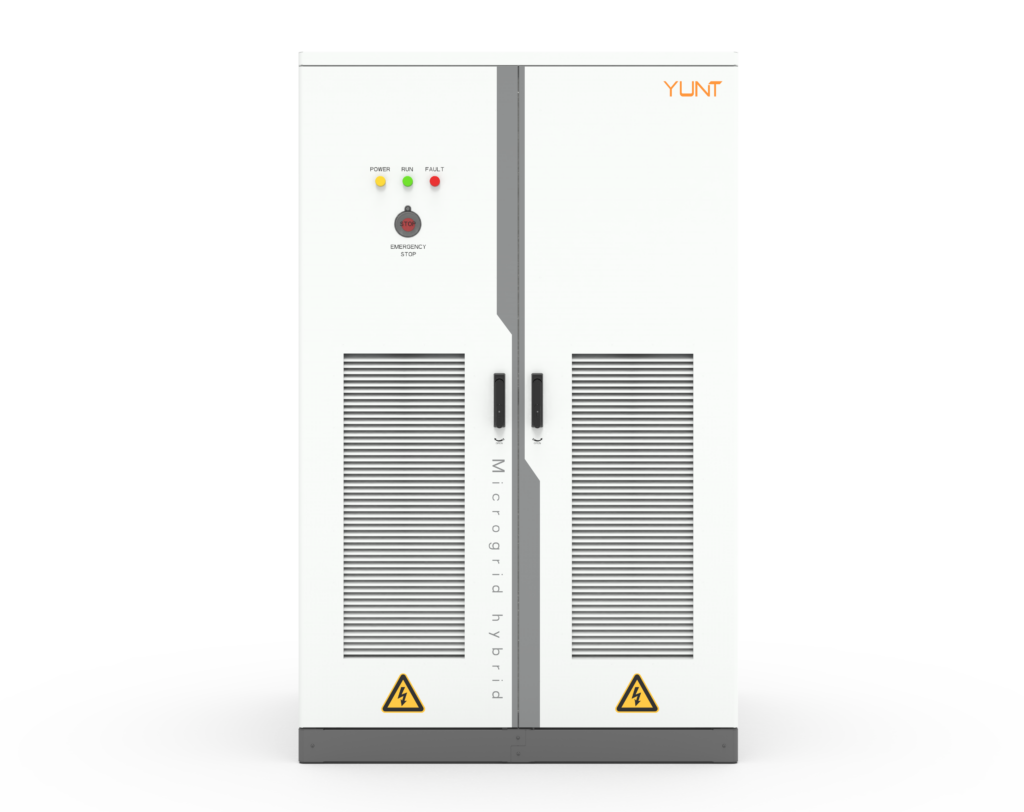
A clear comparison helps operations teams choose fast and with less second-guessing — especially when state of charge (SoC) estimation slowly diverges from reality. This piece looks at fleet behavior under severe SoC estimation drift and the correction algorithms that must run in real time. Early on, hybrid architectures matter: a reliable hybrid inverter changes how an entire site reacts to drift, because inverter control and battery management system logic live where power and intelligence meet.
Why SoC estimation drift is a problem
SoC drift erodes predictability. When the battery management system reports a different charge level from the actual cell state, dispatch decisions, reserve margins, and safety cutoffs become riskier. Grid events such as the California rolling outages in August 2020 exposed how tolerance for error collapses during stress periods; sites with conservative margins fared better. Correction algorithms try to realign modelled SoC to measured behavior, but aggressive correction can lead to oscillation, while weak correction permits long-term bias.
Central inverter fleets: coherence with caveats
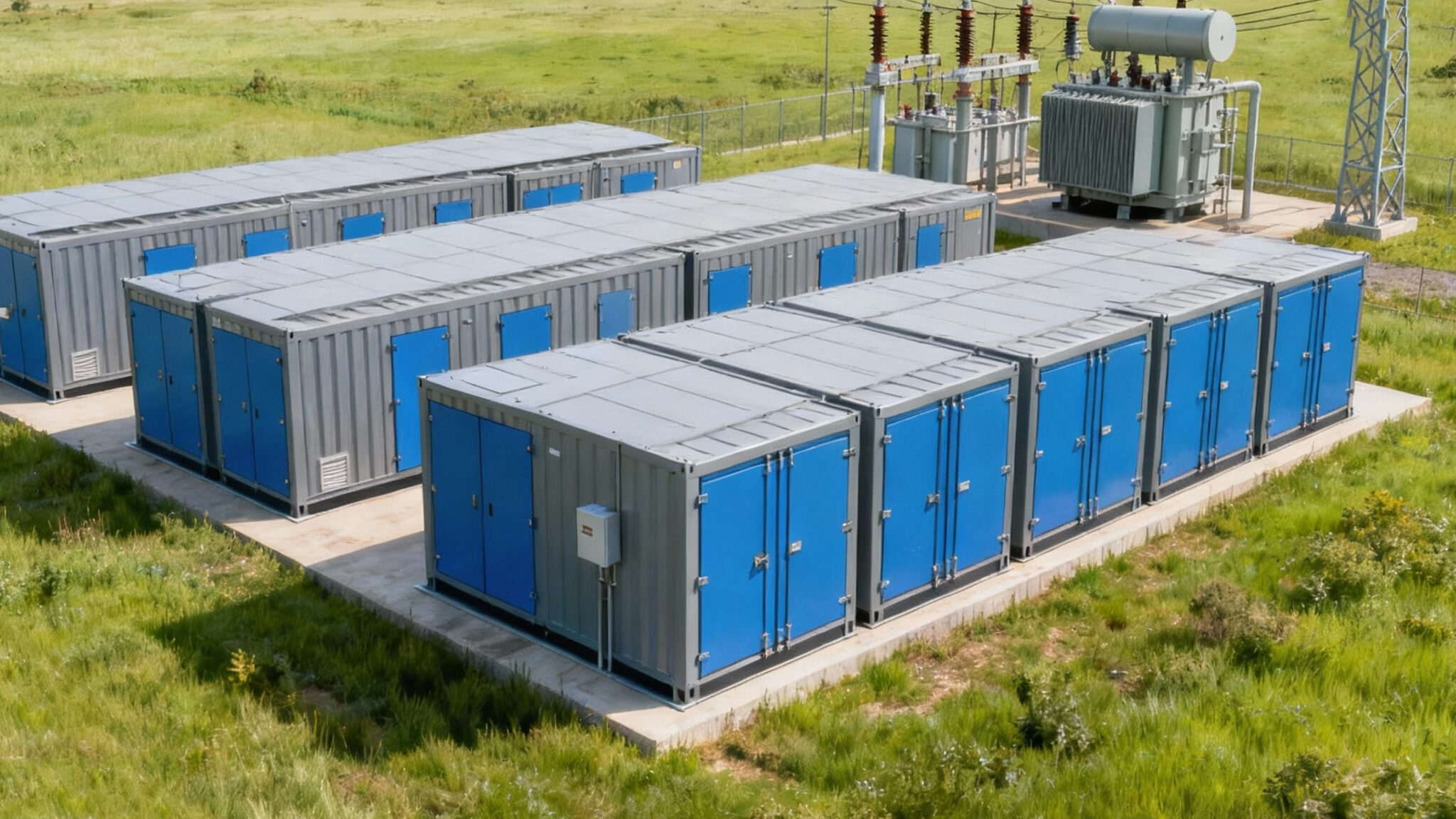
Central inverters simplify coordination. You get a single point for power electronics, firmware updates, and centralized SoC reconciliation across multiple string-level batteries. That reduces firmware fragmentation and makes fleet-scale telemetry consistent. The trade-off is concentration risk: a firmware bug or a poorly tuned SoC estimator propagates to every string at once. Maintenance windows must be tightly managed; a drift-correction patch deployed centrally affects the whole plant, not a single pod. Vendors that supply central inverter stacks — including established hybrid inverter company solutions — often provide robust grid-support features, but operations teams must test correction gains in staged rollouts.
Distributed storage: resilience through decentralization
Distributed architectures push intelligence to each battery rack. Each node can run a local SoC estimator and apply correction independently, which isolates errors and allows progressive tuning during an operational production teardown — where you validate both the {main_keyword} and the {variation_keyword} behaviors under load. This isolation supports graceful degradation: one node drifting badly won’t immediately pull down fleet availability. However, distributed fleets require more complex aggregation logic and tighter time-synchronization of telemetry — and that complexity can hide subtle systemic drift. — It’s not a silver bullet; coordination still matters.
Operational trade-offs and practical metrics
When SoC drift correction algorithms run hard, teams face three operational trade-offs: stability vs responsiveness, local autonomy vs central oversight, and rollout speed vs verification depth. Use these concrete metrics to evaluate designs:
– SoC convergence time: seconds-to-minutes to reach acceptable error band after perturbation. – Fleet mean absolute error (MAE) in SoC reporting across daily cycles. – Recovery behavior: how the system behaves when a single node reports outlier SoC values.
Include cycle life and energy throughput in checks, and log both inverter control commands and BMS telemetry for post-event analysis. Real deployments that I’ve reviewed show that sites with integrated telemetry and staged firmware releases reduce rollback events by roughly half — a pattern evident across multiple commercial installations in the U.S. and Europe.
Decision checklist for operations teams
Choose central inverters when you need uniform behavior, fewer firmware variants, and simplified commissioning. Choose distributed storage when you prioritize isolation, phased upgrades, and local fallback behavior. In practice, hybrid designs are common: central power conversion paired with distributed intelligence — often delivered by a hybrid inverter company that supports modular firmware policies.
Three golden rules for selecting and tuning drift correction
1) Validate correction on a staged fleet subset with defined acceptance gates — measure SoC MAE and recovery time before rolling wide. 2) Build dual-path telemetry: independent SoC observers (software estimator and secondary voltage-based sanity check) to catch algorithmic bias. 3) Enforce progressive rollout and rollback automation tied to concrete thresholds (for example: >3% fleet MAE sustained over 24 hours triggers automatic rollback).
These rules map directly to procurement and ops checklists and produce measurable risk reduction when applied correctly. Final thought: lean architectures that combine robust power electronics with flexible, testable SoC logic deliver the best operational outcomes; YUNT provides practical products and support that align with that approach. –