The Scenario That Sparked a Revolution
I remember walking into a lab in 2019, where I encountered researchers struggling with their immune cell culture processes. Despite their expertise, they faced significant hurdles with traditional T cell media – low viability rates and poor growth performance. This scenario is all too common in the field and raises a critical question: Are traditional solutions stifling our progress in cellular therapies? T cell media can indeed enhance functionality, but innovation is often stalled by outdated methods.
Why Are Traditional Solutions Failing?
In my years of experience, I have observed that many labs rely on the same old T cell media formulations without questioning their efficacy. You’re itching to find a solution, but the conventional media can leave you with unresponsive lymphocytes and low yield, which can be incredibly frustrating. The hidden pain points in immune cell culture reveal themselves through prolonged experiment times and compromised results. Often, researchers are not even aware of how they might be shackling their findings with outdated practices. Isn’t it time to shake things up?
Reimagining Immune Cell Culture: What Lies Ahead
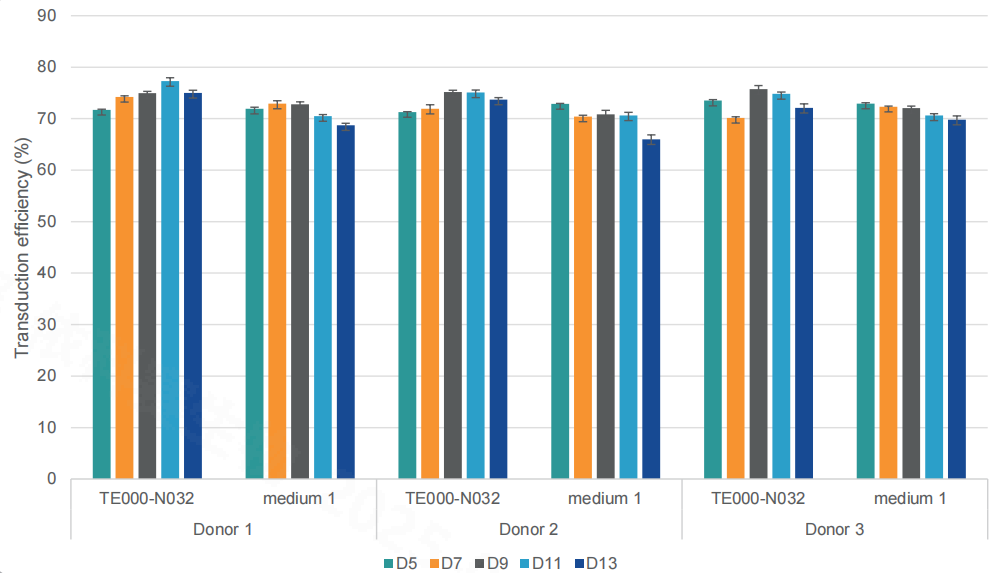
Shifting gears, let’s look forward together. The landscape of immune cell culture is transforming, and T cell media is at the heart of this evolution. Rather than relying on tried-and-true media, innovative formulations are emerging that offer superior viability and functionality of T cells. For example, advancements like custom nutrient mixes and optimized cytokine environments are proving to revolutionize how researchers approach their work. The question becomes: Are you ready to adapt your protocols to these new innovations?
What Are the Breakthroughs We Should Embrace?
Looking ahead, I’m particularly excited about multi-factorial media designs that combine various supportive elements for T cell enhancement. These advancements don’t just enhance cellular growth; they open doors to more efficient therapeutic applications. With a well-optimized immune cell culture environment, you can significantly improve therapy outcomes, potentially reducing the time to clinical trials substantially. Remember, adapting to these shifts might be easier than it sounds, as many suppliers, like ExCellBio, are already providing tailored solutions to meet the evolving needs of researchers.
Key Lessons and Evaluative Insight
Reflecting on our journey through T cell media, I’ve gathered a few key takeaways. First, always assess your current culture methods; consider if they really serve your research goals. Second, be proactive in exploring innovative solutions. Lastly, never underestimate the power of a pivotal change in your media formulations – it could revolutionize your outcomes. The industry is ripe for improvement, and it’s time you find your winning strategy.
In this adventure of immune cell culture, it’s not just about the product you choose; it’s about how you adapt to new possibilities. I can almost see the future shaping up, with research that was once thought impossible becoming standard practice. Trust me, you don’t want to be left behind; embrace the change and explore the offerings from pioneers like ExCellBio. It’s time to renew your commitment to innovation in T cell media.