Introduction: A Tall Entry, A Simple Fix
Ever step into a soaring foyer that looks majestic but feels oddly dim? In many plans, nan pops up as an “unknown” in the sizing math—like a missing value you keep skipping. Picking a chandelier for high ceiling foyer sounds easy, yet tall spaces change the rules. Here’s the data: ceilings at 16–20 feet often need 2–3x the delivered lumens to reach the floor and faces at entry height. Typical targets are 20–30 foot-candles for safe movement and clear recognition, with higher vertical illuminance near stairs. But do most big fixtures actually deliver that? Or just look big and throw glare? Picture the scene: guests walk in, shadows climb the walls, and your statement piece becomes a silhouette. Not the vibe. So, the question: when do you upgrade, and what do you change first (height, optics, or controls)? Let’s break the ceiling myth and make a tall foyer feel bright, welcoming, and easy to live with—without turning it into a showroom.
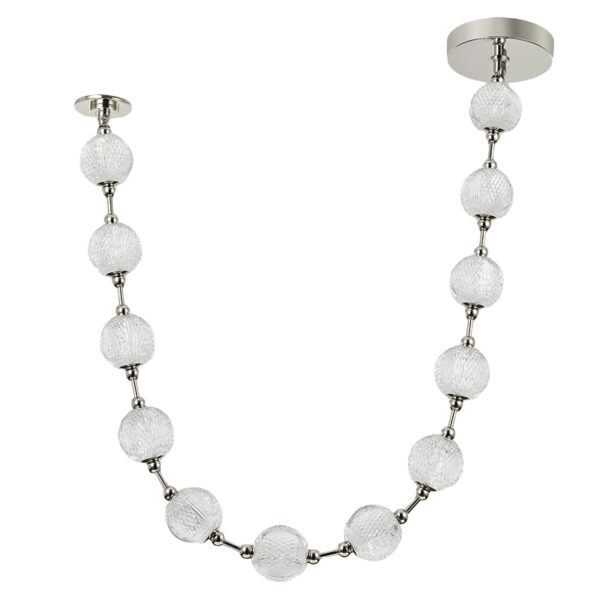
The Deeper Issue: Why “Bigger” Still Misses the Mark
Why do big fixtures still feel dim?
Let’s go technical for a second. Traditional grand chandeliers often push mass over math. They add diameter, not delivered light where you need it. The result: lots of sparkle with poor vertical illuminance. Beam spread is uncontrolled, so light blooms sideways, not down the volume. Add in low CRI crystals or small point sources and you get glare without clarity—funny how that works, right? Worse, many legacy fixtures hide weak driver circuitry and poor power factor, which means flicker risk on dimmers and wasted energy. The load can be heavy too, stressing the canopy and junction box torque load. Look, it’s simpler than you think: size is not the same as sight. You need optics and placement that move lumens through the volume, not just glitter up high.
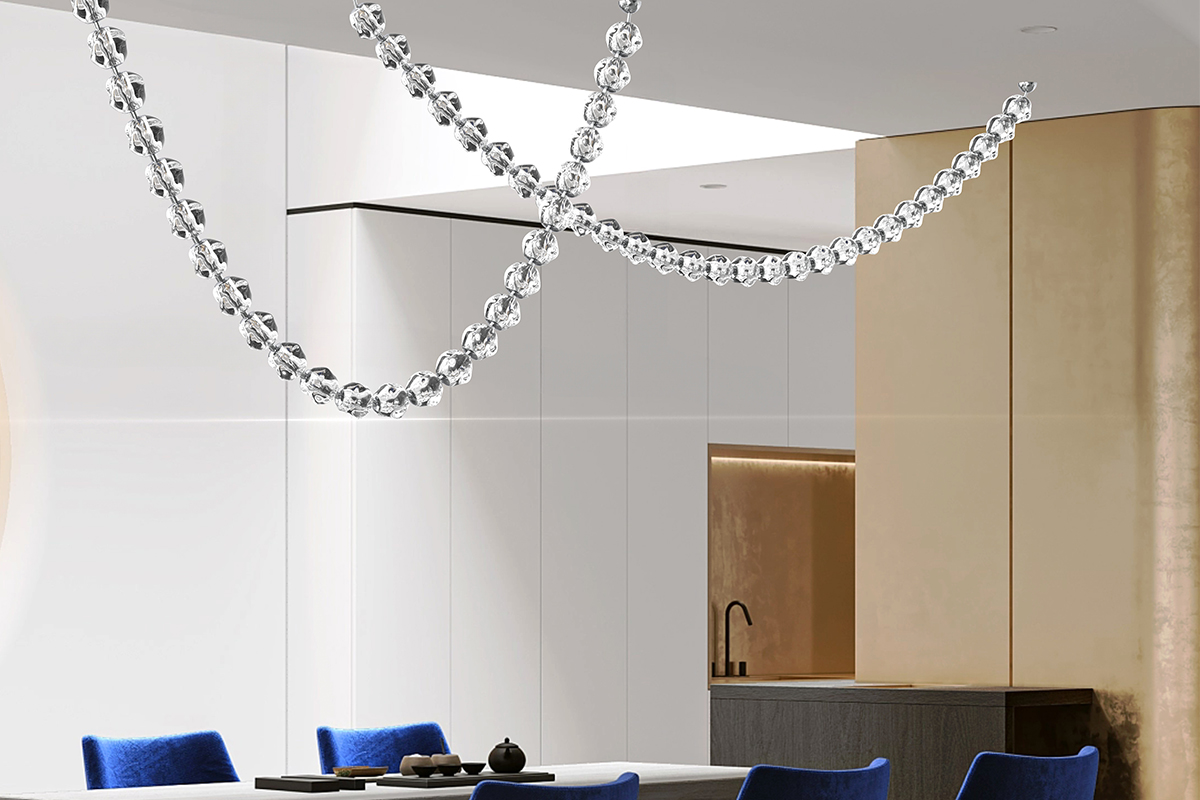
There’s more. Mounting height and suspension geometry are often off. If the center of light sits too high, you lose punch at the floor and face plane. If it sits too low, you risk glare cones and clearance issues. Cleaning is a pain in tall foyers, so dusty arms and crystals cut output over time. That means your plan needs easy maintenance via a lift or a down-rod system, not just aesthetics. Add layered sources at edges or stairs for balanced vertical light. Then the chandelier can do its job: anchor, not overwork. In short, the flaw isn’t taste—it’s optics, control, and serviceability.
Comparative Insight: What’s Next After the Classic Look
What’s Next
Now compare yesterday’s sparkle-first builds with today’s light-first systems. New tech uses modular LED arrays, high-CRI emitters, and acrylic diffusion to spread luminance evenly across height. Edge-lit rings and prismatic lenses send more usable light down, with tighter beam control and less glare. Remote drivers with higher power factor stabilize dimming, and thermal design keeps output consistent. When you see modern acrylic pendant lights in tall foyers, note the difference: softer luminance, better vertical reach, fewer hard shadows. Pair that with scene control—arrival, evening, cleaning—and you get a foyer that adapts. And then everything just clicks—no drama. Think of it as a shift from ornament to engineered light. Looks still matter. But delivery matters more.
So, what metrics guide the call when you choose or upgrade a statement piece? Advisory mode: 1) Delivered lumens at the working plane and vertical illuminance near the door and stairs (not just fixture lumens). 2) Glare control and color quality—target high CRI and check UGR or shielding angles for comfort. 3) Service plan—lift access, modular parts, and dust-friendly materials to hold output over time. Stack those with proper beam spread and a sensible mounting height, and your foyer will feel bright, calm, and safe. The classic chandelier can still win, especially a purpose-built chandelier for high ceiling foyer, but favor designs that move light, not just mass. Because the real luxury is clarity you can feel every day. For more design-led engineering, see kinglong.